Missing Teeth: What Are Your Replacement Options?
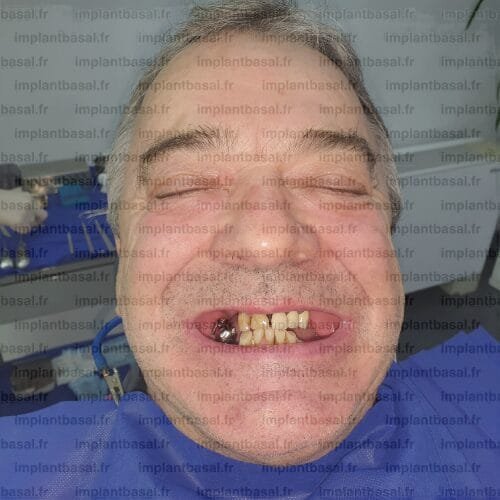

Losing one or more teeth can affect much more than your smile. Missing teeth may make chewing more difficult, affect speech and change the way the remaining teeth function.
Fortunately, there are several missing teeth replacement options, ranging from removable dentures to fixed dental bridges and dental implants.
The most suitable solution depends on factors such as the number of missing teeth, the condition of the gums and jawbone, your overall oral health and whether you want a removable or fixed solution.
In this guide, we explain the main options for replacing missing teeth and what you should consider before choosing a treatment.
What Happens When You Have Missing Teeth?
When a tooth is lost, the bone that previously supported its root may gradually decrease over time.
This can affect the shape of the jaw and may make some types of dental implant treatment more complex.
Missing teeth can also cause the remaining teeth to move or change position, potentially affecting your bite.
For these reasons, replacing missing teeth is not only about appearance. It can also be important for restoring function and maintaining oral health.
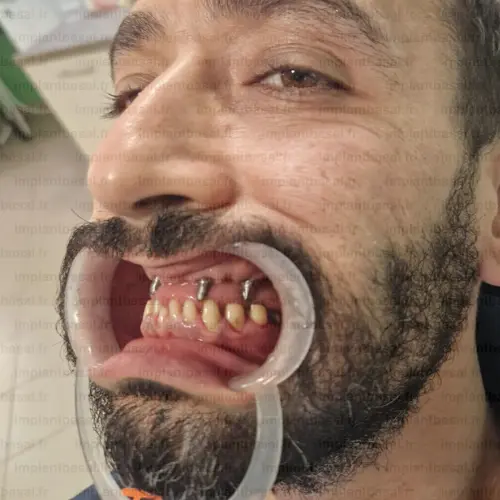
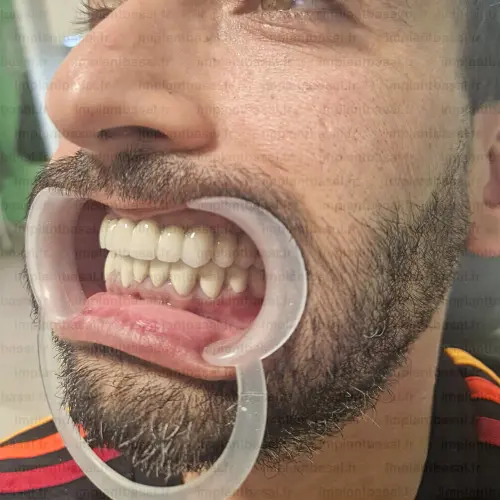
→ Rebuilding Teeth with Basal Implants – Fabien’s Patient Story
What Are the Main Missing Teeth Replacement Options?
The main options include:
- dental implants
- dental bridges
- removable partial dentures
- complete dentures
- full-arch fixed implant solutions
The right option depends on your individual dental situation.
1. Dental Implants
Dental implants are designed to replace missing tooth roots and support a crown, bridge or fixed prosthesis.
For patients who have sufficient bone and healthy oral tissues, conventional dental implants can provide a fixed solution for one or several missing teeth.
One advantage of implants is that they do not rely on removable support in the same way as conventional dentures.
However, not every patient has the same amount of available bone.
What if you have bone loss?
Bone loss can make conventional implant treatment more complex.
Depending on the situation, treatment may involve bone grafting or other approaches.
For patients with significant bone loss, basal implantology may also be considered.
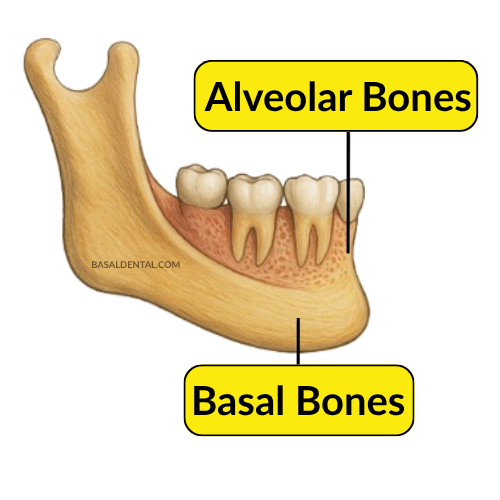
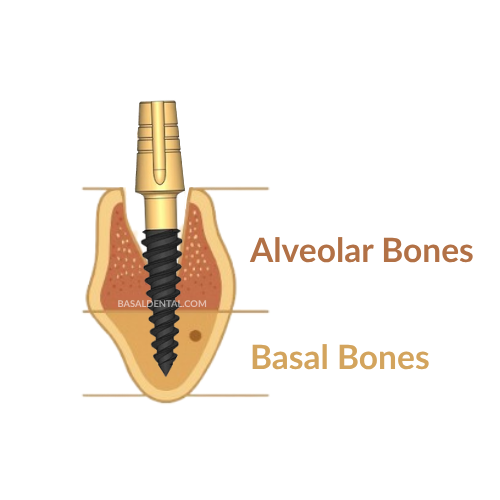
Basal implants use areas of available dense cortical bone for anchorage and can therefore be relevant in some cases where conventional implant placement is more difficult.
You can learn more about this approach in our guide to basal dental implants.
2. Dental Bridges
A dental bridge can replace one or several missing teeth by using neighboring teeth or implants as support.
A traditional bridge is fixed in the mouth and can restore both appearance and chewing function.
One important consideration is that conventional bridges generally require suitable supporting teeth.
3. Removable Dentures
A removable denture can replace several missing teeth.
It can be removed for cleaning and is generally less invasive than implant treatment.
However, some patients find removable dentures less comfortable or less stable than fixed teeth.
The experience can also depend on the number and position of the remaining teeth.
What If You Are Missing Most or All of Your Teeth?
When many teeth are missing, replacing each tooth individually is really not advised.
A full-arch dental implant treatment can support a fixed prosthesis using a number of strategically positioned implants.


This can provide a fixed replacement for an entire arch rather than replacing every missing tooth separately.
For patients with significant bone loss, the treatment approach needs to be carefully assessed because conventional implant placement may not always be straightforward.
In selected cases, basal implantology may offer another approach to full-mouth fixed rehabilitation.
→ Rebuilding Teeth with Basal Implants – Fabien’s Patient Story
Can You Replace Missing Teeth in One Day?
In some carefully selected cases, patients can receive implants and a fixed provisional restoration during the same treatment period.
This approach is commonly associated with immediate loading.
It does not mean that every patient can receive permanent teeth in a single day.
Read more about:
Same Day Dental Implants: How Do They Work?
What Is the Best Way to Replace Missing Teeth?
There is no single replacement option that is appropriate for every patient.
The choice depends on several factors:
- How many teeth are missing?
- Where are the missing teeth located?
- How much bone is available?
- Are the gums healthy?
- Are the remaining teeth strong enough to support a bridge?
- Do you want removable or fixed teeth?
- Do you have significant bone loss?
- Are you looking for a full-mouth solution?
A dental examination and appropriate imaging are necessary before deciding which treatment is suitable.
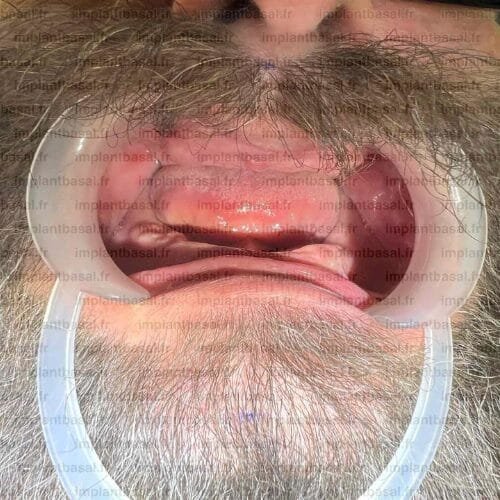
Missing Teeth and Bone Loss
Bone loss is particularly important when considering dental implants.
After tooth loss, the jawbone may gradually resorb because it no longer receives the same stimulation from the natural tooth root.
If bone volume is insufficient for conventional implants, bone grafting may sometimes be considered.
Another possibility, depending on the clinical situation, is an implant approach designed to use available cortical bone.
This is one reason why basal implants for missing teeth can be relevant in selected patients with reduced bone availability.

Read our detailed guide:
Dental Implants and Bone Loss: What Are Your Options?
Missing Teeth Replacement: Fixed or Removable?
One of the most important decisions is whether you want a removable or fixed solution.
Removable options
- partial dentures
- complete dentures
Fixed options
- dental bridges
- implant-supported crowns
- implant-supported bridges
- full-arch fixed prostheses
→ Rebuilding Teeth with Basal Implants – Fabien’s Patient Story
Fixed treatments generally remain in the mouth, while removable dentures can be taken out for cleaning.
The appropriate choice depends on your clinical situation and treatment goals.
Missing Teeth Replacement Options: Frequently Asked Questions
Can missing teeth be replaced permanently?
Several treatments can provide a long-term replacement for missing teeth, including dental implants and fixed bridges. The expected lifespan depends on the treatment, oral hygiene, health and regular maintenance.
What is the most common replacement for missing teeth?
Common options include dental bridges, dentures and dental implants. The appropriate solution depends on the number of missing teeth and the condition of the surrounding teeth, gums and bone.
Can you get dental implants if you have bone loss?
Yes. The treatment may involve bone grafting or, in selected cases, an alternative implant approach such as basal implantology.
Can you replace all missing teeth with implants?
Yes, full-mouth or full-arch implant treatment can replace an entire arch of missing teeth. The exact number and type of implants depends on the individual treatment plan.
Can missing teeth be replaced in one day?
Some patients may receive implants and fixed provisional teeth during the same treatment period. This is generally referred to as immediate loading and is not suitable for everyone.
What if I don’t want dentures?
Patients who do not want removable dentures can discuss fixed options such as dental bridges or implant-supported fixed teeth. The available options depend on their oral health and bone conditions.
For patients with sufficient bone, conventional implants can be an effective fixed replacement option. When significant bone loss is present, treatment may be more complex and can involve bone grafting or alternative approaches.
Basal implantology is one approach that may be considered in selected patients with reduced bone availability, particularly when the goal is fixed tooth replacement.
The right solution should be determined after an individual examination and treatment plan.