
Dental Implants and Bone Loss: What Are Your Options?
Can you get a dental implant with bone loss? Often, yes.
The presence of bone loss does not automatically prevent implant treatment. However, the available options depend on how much bone remains, where it is located and the type of implant treatment being considered. For some patients, conventional implants may require bone augmentation, but it can be avoided with specific dental implants.
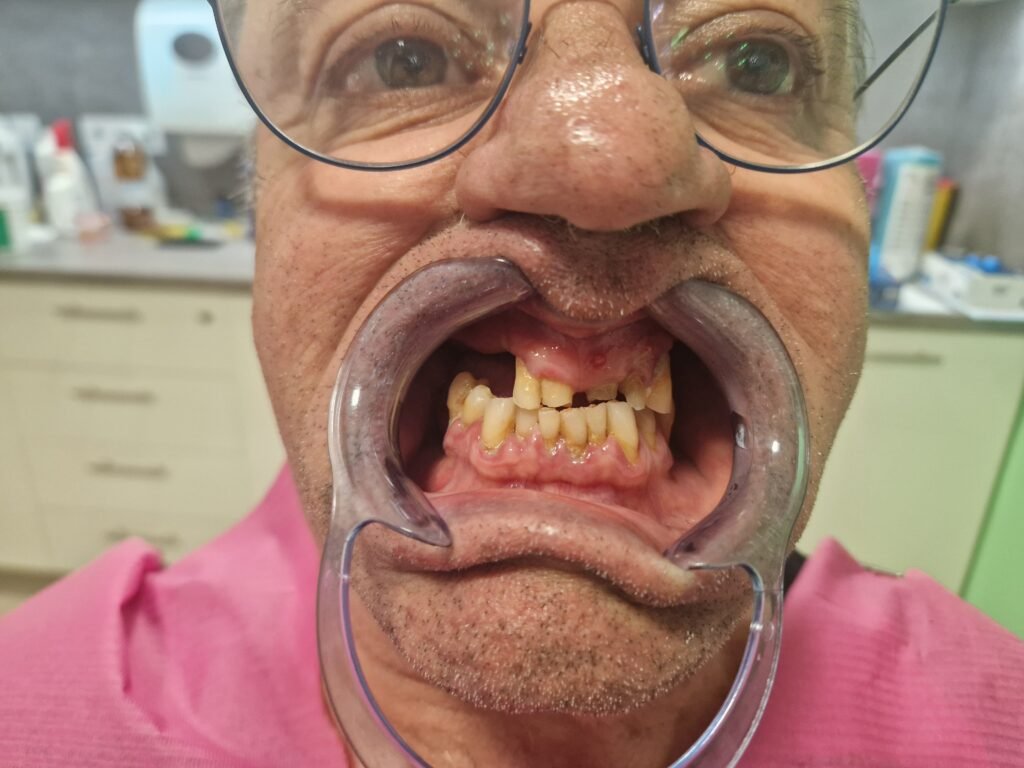

Why Does Bone Loss Affect Dental Implant Treatment?
Dental implants need stable support from the jaw.
When a tooth is lost, the bone that previously supported its root can gradually shrink. This process is known as alveolar bone resorption.
Periodontal disease can also cause significant loss of the bone surrounding natural teeth.
As bone volume decreases, placing a conventional dental implant in the original position may become more difficult.
This is why patients searching for dental implants with bone loss may be presented with several different treatment options.
What Causes Bone Loss Around Teeth?
Tooth loss
After a tooth is lost, the surrounding bone is no longer stimulated by the natural tooth root. Over time, the jawbone may become narrower and lose height.
Periodontal disease
Advanced gum disease can progressively damage the tissues supporting the teeth.
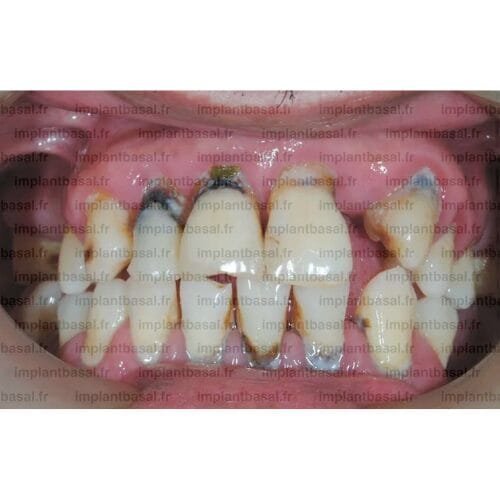
In severe cases, this can result in substantial bone loss around multiple teeth.
What Are the Options for Dental Implants and Bone Loss?
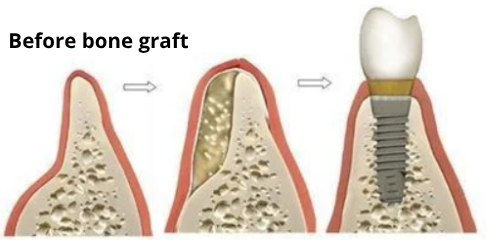
Conventional dental implants with bone grafting
When there is insufficient bone for conventional implant placement, bone augmentation may sometimes be recommended.
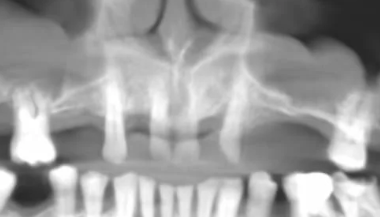
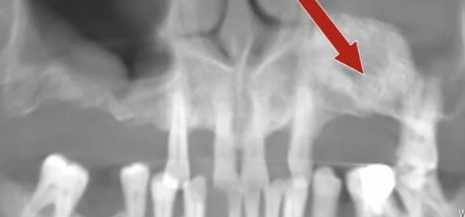
A dental bone graft can increase the available bone volume in a specific area.
After healing, conventional implants may then be placed according to the treatment plan.
This approach can be appropriate for some patients, but it can also involve additional surgery and treatment time.
Basal implantology
Another approach to consider in selected cases is basal implantology.
Basal implants are designed to obtain anchorage from areas of dense cortical bone.
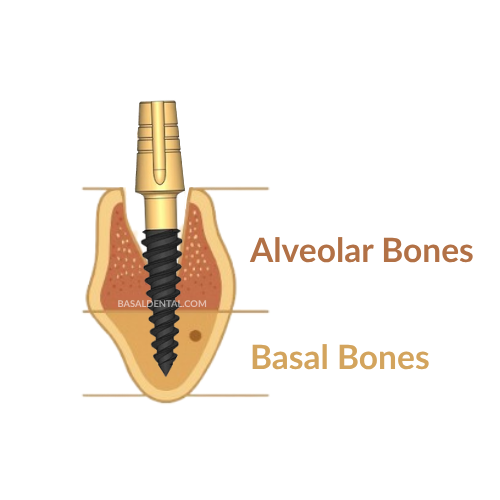
This is different from conventional implant treatment, which generally relies on the available alveolar bone.
This distinction can make basal implantology particularly relevant when significant alveolar bone loss is present.
How Do Basal Implants Relate to Bone Loss?
Instead of focusing exclusively on the bone that has been lost, the treatment plan seeks to make use of suitable bone that remains.
Cortical bone forms the dense outer part of the jaw.
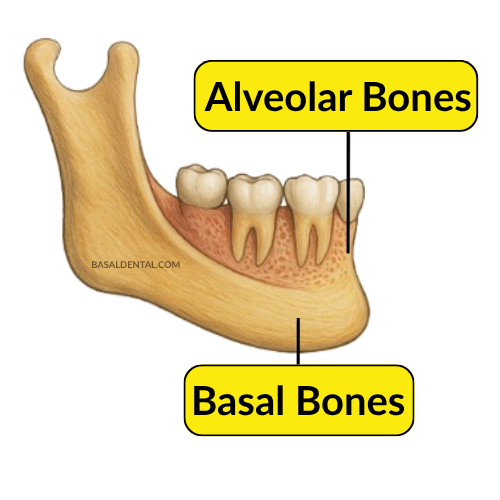
This approach can therefore be considered for some patients who have limited conventional implant sites.
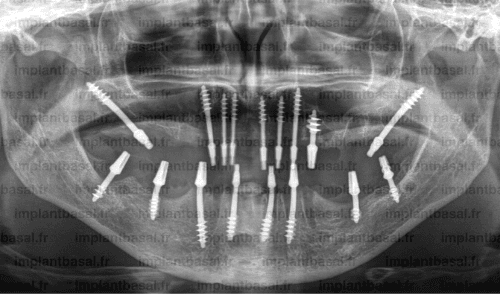
Basal Implants for Severe Bone Loss – Patient Case
Why can this matter for patients with bone loss?
A patient with significant bone loss may be told that conventional implants would require a bone graft.
Depending on the individual anatomy, basal implantology may offer another treatment pathway.
In selected cases, it may allow implant treatment without first rebuilding the resorbed alveolar ridge.
What About Severe Bone Loss?
Severe bone loss dental implants cases require particularly careful planning.
When the alveolar ridge has undergone extensive resorption, there may be limited bone available for conventional implant placement.
In these situations, the treatment options can include bone grafting, advanced conventional implant techniques or alternative implant approaches.
Basal implantology may be considered when suitable cortical bone is available.

Can Basal Implants Avoid Bone Grafting?
One advantage of basal implantology is that bone grafting is not necessary in most cases.
This is because the treatment approach can make use of existing cortical bone (no bone loss) rather than relying exclusively on the resorbed alveolar ridge.
Dental Implants Bone Loss: Why Diagnosis Matters
Before choosing an implant treatment, the available bone needs to be evaluated carefully.
A dentist or implant specialist may assess:
- Bone height and width
- Cortical bone anatomy
- Location of nerves and other structures
- Condition of the gums
- Remaining teeth
- Previous dental treatments
An Xray may be recommended for treatment planning.
Are Basal Implants Suitable for Everyone?
Basal implantology may be considered when conventional implant placement is limited by reduced alveolar bone.
However, the decision should be based on the patient’s anatomy, oral health and treatment objectives.
A specialist assessment is therefore essential before deciding which type of implant treatment to use.

Frequently Asked Questions
Can you get dental implants with bone loss?
Yes. Depending on the amount and location of the remaining bone, several treatment options may be available.
These can include conventional implants with bone augmentation or alternative approaches such as basal implantology.
Can basal implants be used for severe bone loss?
Basal implants may be considered for selected patients with significant bone loss.
Their design allows anchorage in suitable cortical areas of the jaw, but individual assessment is necessary.
Basal Implants for Severe Bone Loss – Patient Case
Do dental implants always require a bone graft?
No. Bone grafting is not required in every implant case.
Some patients may have sufficient bone for conventional implants, while others may be candidates for treatment approaches that do not require conventional bone augmentation.
Can basal implants be placed without bone grafting?
For patients with significant bone loss, basal implantology offers another way of thinking about implant anchorage: rather than relying only on the resorbed alveolar bone, suitable cortical areas may be used to support the implants without bone grafting.
If you have been told that you do not have enough bone for conventional implants, a detailed assessment can help determine which options may be available for your case.