
Dental Bone Grafting for Dental Implants: What You Need to Know
When a tooth is lost, the jawbone around the missing tooth can gradually lose volume. If there is not enough suitable bone to support a conventional dental implant, dental bone grafting may be considered to rebuild the area before implant placement.
What Is a Dental Bone Graft?
A dental bone graft is a procedure used to increase the volume or density of bone in an area of the jaw.

A grafting material is placed in an area where bone has been lost. Over time, the graft provides a framework that allows new bone to develop and can help create a more suitable foundation for dental implants.
Bone grafting may be considered after tooth loss, gum disease, trauma or other conditions that have reduced the available jawbone.
Why Is Bone Grafting Used for Dental Implants?
Conventional dental implants generally require adequate bone for stable placement.
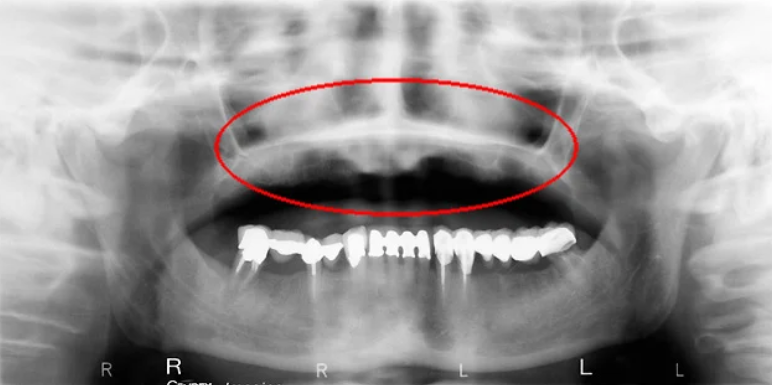
If there is insufficient bone, an implant may not be able to be positioned as planned. In such situations, a dentist or implant specialist may recommend rebuilding the area first.
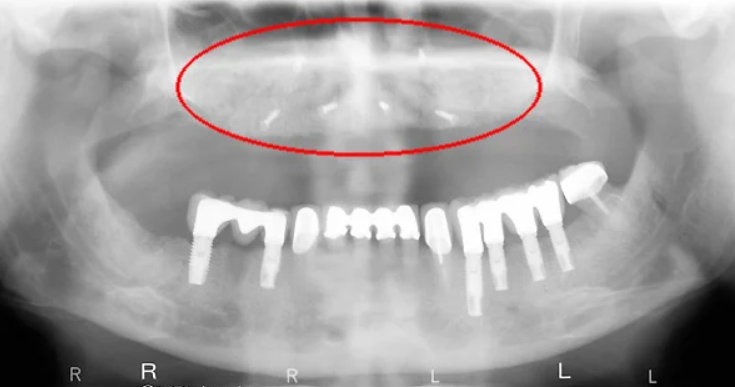
Depending on the location and amount of bone loss, this can include procedures such as:
- Ridge augmentation
- Socket preservation
- Sinus augmentation
- Other forms of bone augmentation
The appropriate technique depends on the individual anatomy and treatment plan.
What Causes Bone Loss?
Tooth loss
After a tooth is removed, the bone that previously supported its root is no longer stimulated in the same way. Bone volume can gradually decrease if the tooth is not replaced by an implant.
Periodontal disease
Advanced periodontal disease can damage the tissues and bone supporting the teeth and can contribute to significant bone loss.
Trauma or infection
Dental trauma and certain infections can also result in localized bone defects.
This is why an examination and appropriate imaging are important before deciding whether bone grafting is necessary.
How Does Dental Bone Grafting Work?
The exact procedure varies depending on the type of graft but we generally call it a “Sinus Lift“
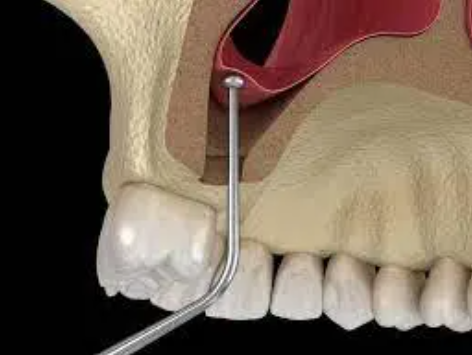
In general, the area is anesthetized and the gum tissue is carefully opened to expose the affected bone.
The grafting material is then placed in the area requiring augmentation. A protective membrane may also be used before the gum is repositioned and closed with sutures.
The graft then needs time to heal and integrate before the next stage of treatment.
How Long Before Dental Implants After Bone Grafting?
Healing time varies according to the size and location of the graft and the patient’s individual healing response.
Some grafts require several months before implants placement can be considered. Larger grafting procedures can require considerably longer healing periods.
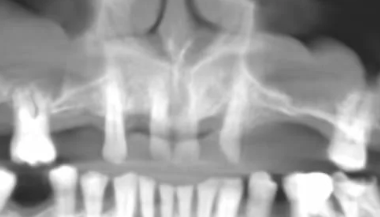
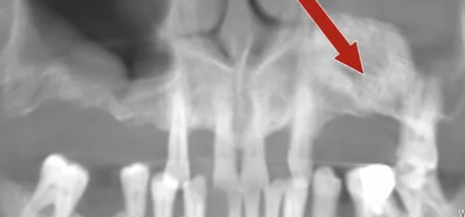
This means that a conventional implant treatment involving bone grafting may require several separate stages:
Bone loss → Bone graft → Healing → Implant placement → Implant healing → Final restoration
The exact sequence depends on the individual case.
Dental bone grafting is one of the conventional approaches used when additional bone volume is required.
Learn more about dental bone grafting for implants.
What Types of Bone Graft Materials Are Used?
Different materials can be used for dental bone grafting.
These may include:
- Autogenous bone: bone taken from the patient’s own body
- Allograft: human donor bone
- Xenograft: animal-derived graft material
- Alloplast: synthetic bone substitute
The choice depends on the clinical situation and the clinician’s treatment approach.
Can Dental Implants Be Placed Without Bone Grafting?
Yes.
In selected patients with significant bone loss, basal implantology may offer another treatment approach.
Basal implants are designed to obtain anchorage from suitable areas of dense cortical bone rather than relying exclusively on the reduced alveolar ridge.
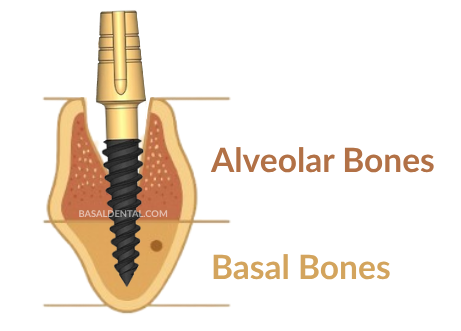
What Are Basal Dental Implants?
This can be relevant when conventional implant placement would otherwise require additional bone augmentation.
Bone Grafting vs Basal Implantology
These approaches should not simply be considered as competing treatments.
For some patients, conventional implants combined with bone augmentation may be an appropriate solution.
For other patients, particularly those with significant bone loss, a different implant strategy may be considered.
The important question is not simply whether a patient has “enough bone”, but what bone is available, where it is located and which treatment approach can use it safely and predictably.
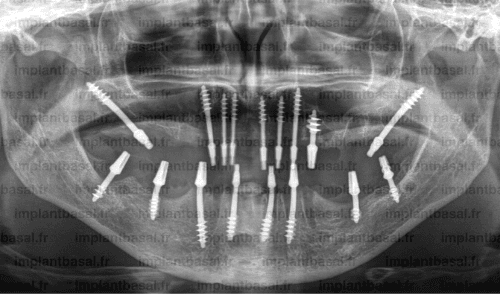
You can see here the basal implantology procedure step by step
What Are the Risks of Dental Bone Grafting?
Bone grafting is a surgical procedure and, like other surgical treatments, can involve risks.
Possible complications include infection, bleeding, swelling, pain, membrane or graft complications and inadequate bone regeneration.
Research shows that roughly 60% of graft failures occur early (within the first year, typically during the initial healing and integration phase)
Bone grafting material does decrease in volume over time. This process is known as bone resorption, and it is a completely natural physiological response.
Basal implants directly address your exact concern about long-term bone decrease. The basal/cortical bones doesnt suffer of resoption over time.
They are specifically designed to bypass the need for bone grafting completely.
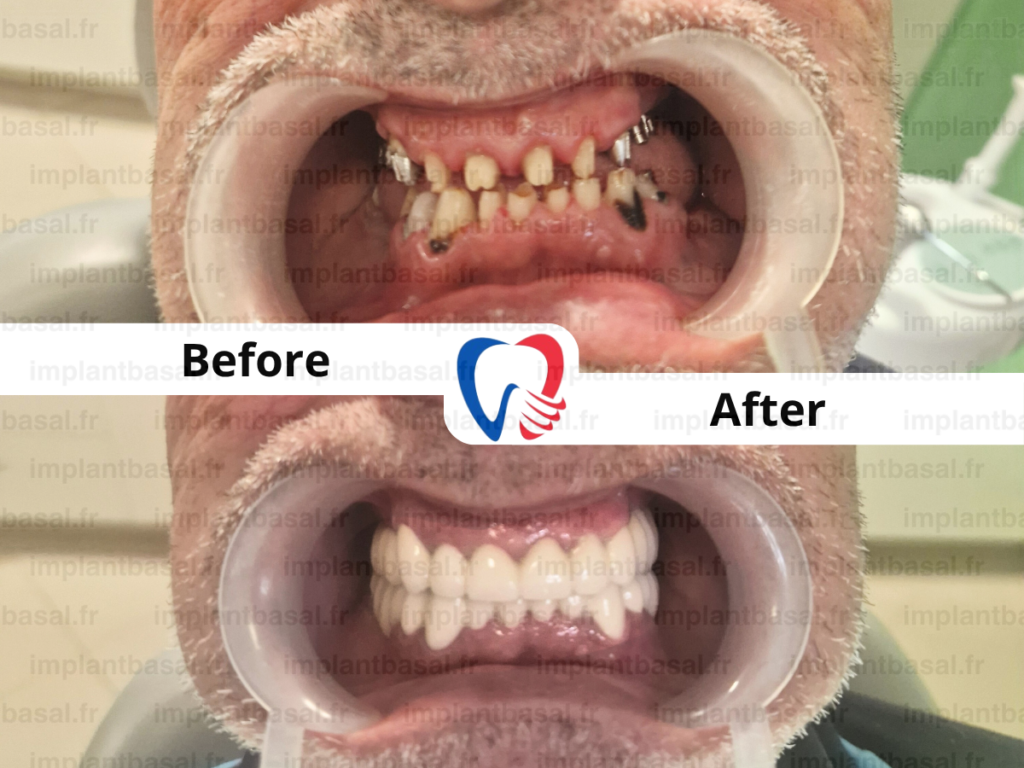
See Fabien’s full patient story and before-and-after results →
Dental Bone Grafting: Frequently Asked Questions
Do all dental implants require a bone graft?
No. Many patients have enough suitable bone for implant placement without grafting. Bone grafting is considered when additional bone volume or density is needed for the planned treatment.
Can you get dental implants with bone loss?
Often, yes. Depending on the situation, treatment may involve conventional implants with bone augmentation or basal implantation.
How long does a dental bone graft take to heal?
Healing varies. Some grafts require 6 months before the next stage of implant treatment. Larger procedures may require longer healing periods.
Can basal implants be used instead of bone grafting?
Basal implantology allow implant treatment without conventional bone grafting. This depends entirely on the patient’s anatomy and treatment plan.
Is dental bone grafting painful?
The procedure is performed with anesthesia. After surgery, patients can experience tenderness, swelling or bruising during the initial recovery period.
Dental bone grafting can be an important part of conventional implant treatment when insufficient bone is available.