Full Mouth Dental Implants: What You Need to Know
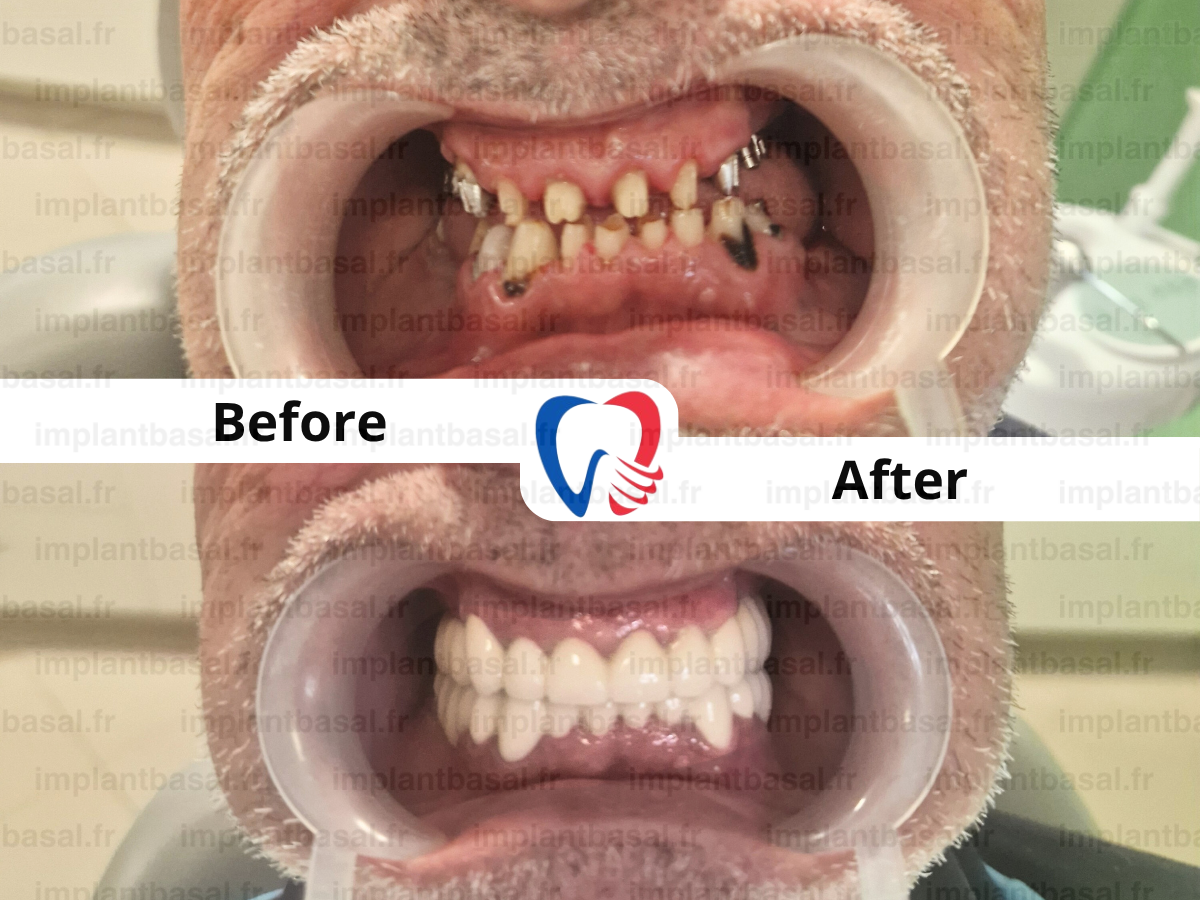
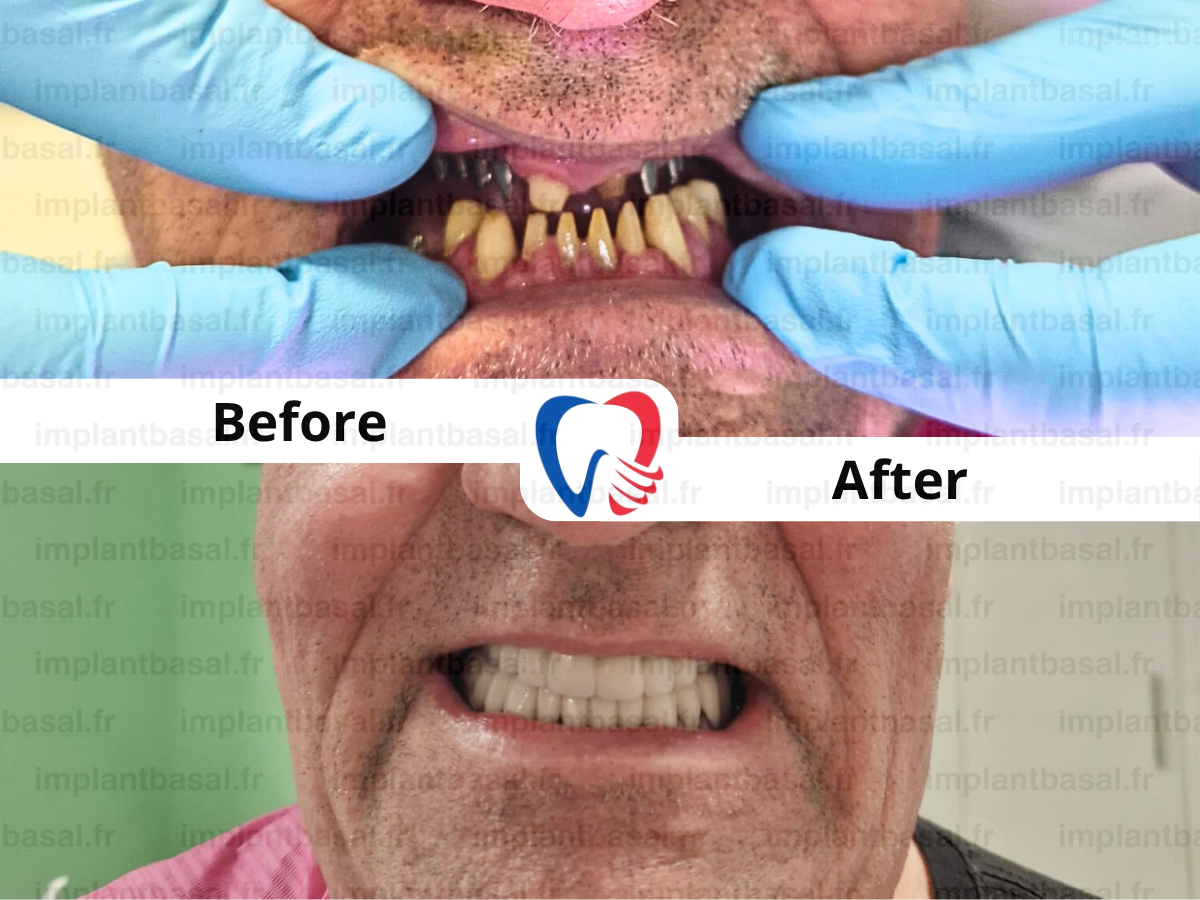
Full mouth dental implants can replace most or all missing teeth with a fixed implant-supported restoration. They may be considered when many teeth are missing, severely damaged or no longer suitable for restoration. The treatment can involve conventional implants or, in selected cases, approaches such as basal implantology.
What Are Full Mouth Dental Implants?
Full mouth dental implants are designed to restore an entire upper jaw, lower jaw or both.
Instead of replacing every missing tooth with an individual implant, several strategically positioned implants can support a fixed prosthesis.
The result is a complete set of fixed teeth designed to restore chewing function and appearance.
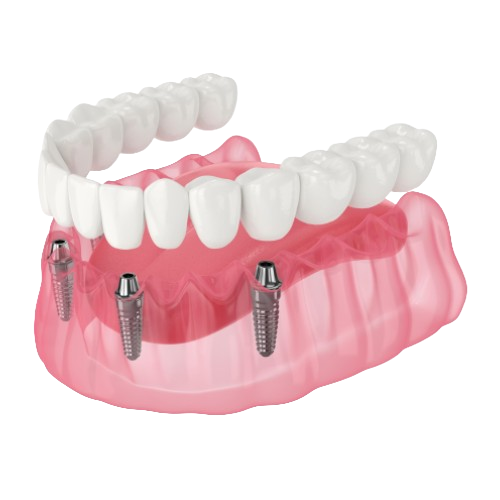
The exact number of implants and type of restoration depend on the patient’s anatomy and treatment plan.
Who May Need Full Mouth Implant Treatment?
Full mouth rehabilitation may be considered when a patient has:
- Multiple missing teeth
- Severely damaged teeth
- Advanced periodontal disease
- Significant tooth loss
- Teeth that cannot be predictably restored
- An existing denture that is uncomfortable or unstable
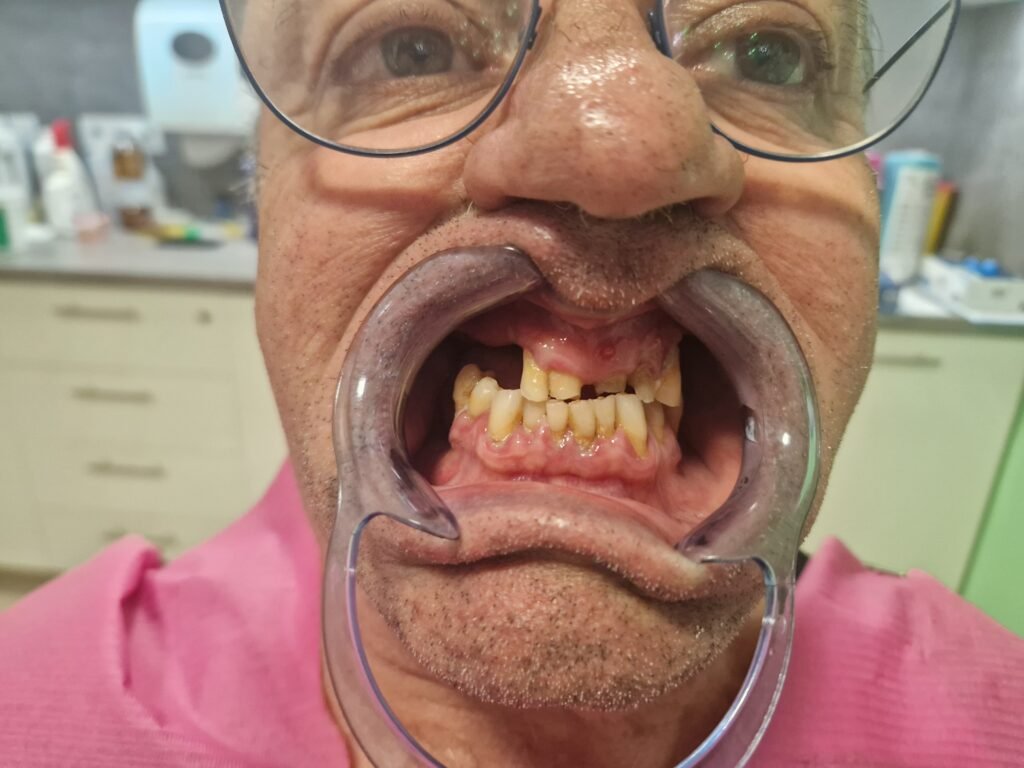
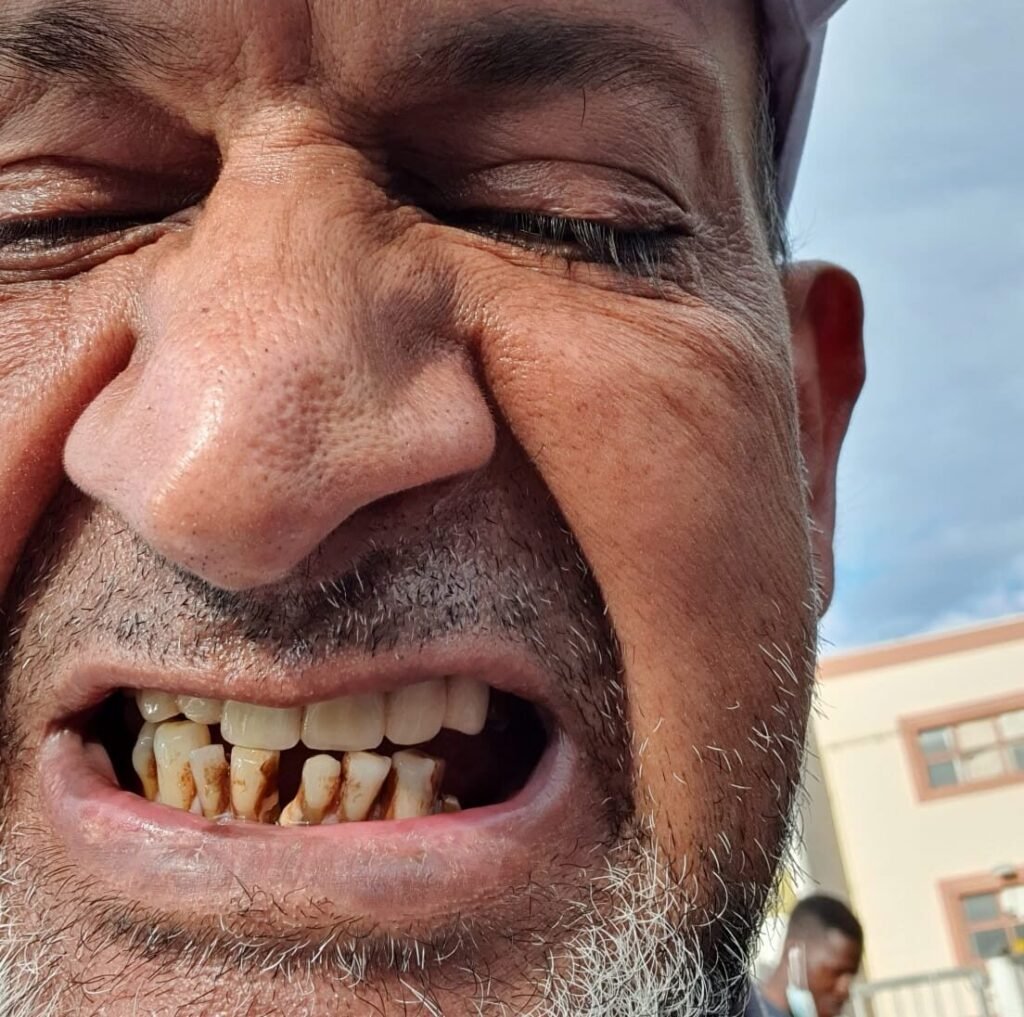
For some patients, replacing individual teeth is not the most practical approach. A full-arch or full-mouth rehabilitation can instead restore an entire section of the mouth.
How Does Full Mouth Implant Treatment Work?
Treatment usually begins with a detailed clinical examination.
The dentist evaluates the remaining teeth, gums, bite and available bone.
Imaging such as panoramic Xray may also be used to understand the anatomy and plan implant positions.
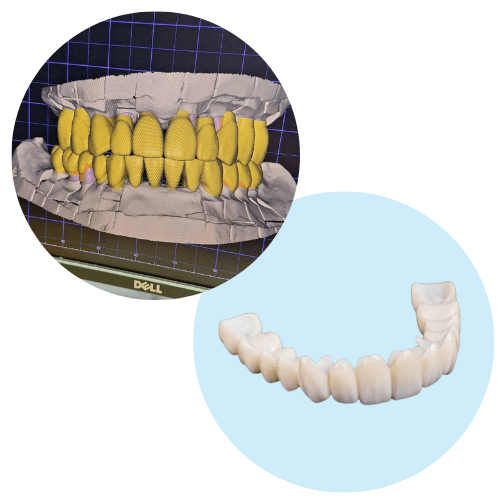
The implants are then placed according to the treatment plan. The definitive prosthesis is then produced according to the planned treatment protocol and can be fixed few days after in basal implantology and in average, 6 months after for conventionnal implantology.
Full Arch vs Full Mouth Dental Implants
The terms full arch implants and full mouth dental implants are sometimes used interchangeably, but they can describe slightly different treatments.
A full-arch rehabilitation generally refers to replacing all teeth in one dental arch.
A full-mouth rehabilitation usually refers to restoring both the upper and lower jaws.
Can Full Mouth Implants Be Used With Bone Loss?
Bone loss is common in patients who have had missing teeth or advanced periodontal disease for many years.
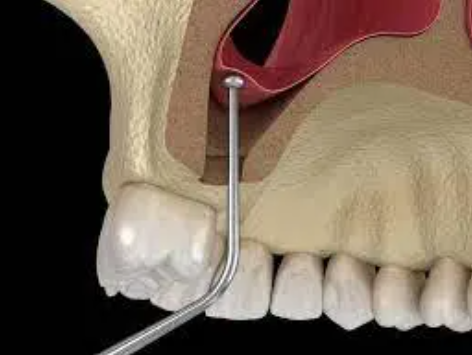
Reduced bone volume can make conventional implant placement more difficult. Depending on the situation, treatment may involve bone grafting or other surgical procedures.
This procedure can be long for a patient, sometimes 6 months to a year and a half depending if bone graft (Sinus lift) was made.
Full Mouth Implants Without Bone Grafting
Some patients may be able to receive implant treatment without conventional bone grafting.
One approach that may be considered in selected cases is basal implantology.
Basal implants are designed to obtain anchorage from suitable areas of dense cortical bone.
This differs from conventional implant treatment, which generally relies more heavily on the available alveolar bone.
Basal Implants for Full Mouth Rehabilitation
Basal implantology can be used in selected cases to support a fixed full-mouth or full-arch prosthesis.
The treatment is planned around the patient’s remaining anatomy.
Rather than focusing only on rebuilding the resorbed alveolar ridge, the implant positions are planned to make use of cortical bone.
This can be particularly relevant for patients who have been told that conventional implants would require extensive bone grafting.
A real patient example
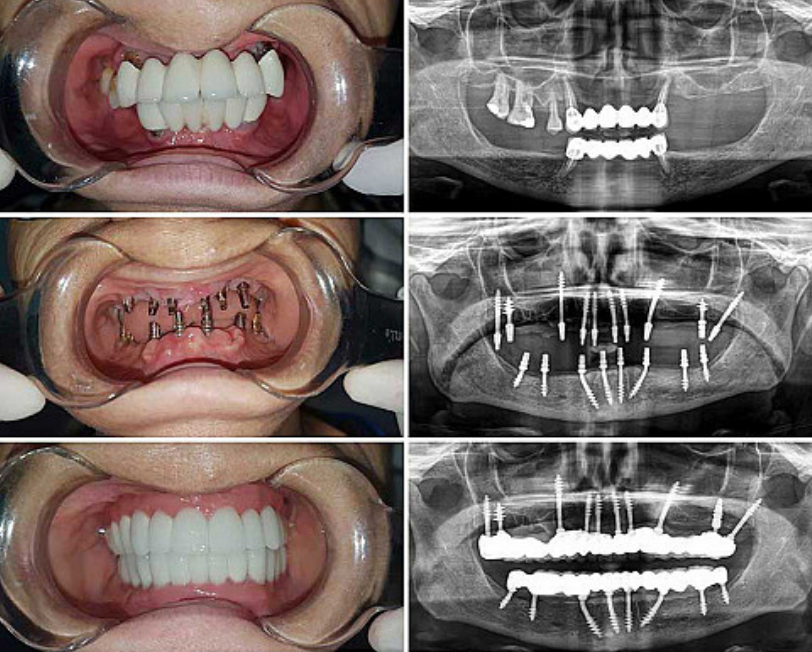
Fabien underwent full-mouth rehabilitation with basal implants after years of severely damaged and missing teeth.
His treatment involved both jaws and resulted in fixed teeth.
See Fabien’s full patient story and before-and-after results →
Can You Get Fixed Teeth in One Day?b
This approach is generally referred to as immediate loading.
However, “same day” does not mean that every patient receives their final permanent prosthesis in one day.
Immediate loading depends on factors such as implant stability, bone conditions, bite forces and prosthetic planning. This term is used often in basal implantology for the immediate loading of implants and fixed definitive prosthesis in one stage.
You can learn more in our article:
Same Day Dental Implants: How Do They Work?
What Are the Benefits of Full Mouth Dental Implants?
Fixed teeth
Unlike conventional removable dentures, an implant-supported prosthesis is designed to remain fixed in the mouth.
Restored chewing function
A properly planned restoration can help restore the ability to chew a wider range of foods.
Full-mouth rehabilitation
Several damaged or missing teeth can be addressed as part of one coordinated treatment plan.
A planned aesthetic result
The shape, position and appearance of the prosthetic teeth can be planned as part of the overall rehabilitation.
How Long Does Full Mouth Implant Treatment Take?
Some cases can be completed relatively quickly, particularly when immediate loading / basal implantology is appropriate.
The duration depends on the patient’s dental condition, bone anatomy, implant approach and type of prosthesis.
In average, conventional full mouth rehabilitation can take from 6 to 18 months depending if bone grafting was necessary.
In basal implantology, full mouth rehabilitation can take from 6 to 10 days in average.
Full Mouth Dental Implants Before and After
Before-and-after photographs can help patients understand what full-mouth rehabilitation can achieve.


The final result depends on the patient’s starting condition, bone and gum health, prosthetic design and treatment plan.
Real patient cases are therefore more useful than generic stock photographs when evaluating this type of treatment.
View our real patient results →
Frequently Asked Questions
Are full mouth dental implants the same as full arch implants?
They can refer to similar treatments, but full arch usually describes one complete dental arch, while full mouth generally refers to rehabilitation of both jaws.
Can full mouth dental implants be used with severe bone loss?
In selected cases, yes. Treatment options may include bone grafting or alternative approaches such as basal implantology.
Can full mouth implants be done without bone grafting?
Some patients may not require conventional bone grafting. Basal implantology may be considered in selected cases with reduced bone availability.
Are full mouth dental implants permanent?
Implant-supported restorations are designed as long-term solutions, but they require proper oral hygiene, professional maintenance and periodic evaluation.
Full mouth dental implants can provide a fixed solution for patients who have lost many or all of their teeth.
The treatment can involve conventional implants, full-arch rehabilitation or, for selected patients with significant bone loss, basal implantology.
The most appropriate approach depends on the patient’s teeth, gums, bone anatomy and treatment objectives.
If you have extensive tooth loss or have been told that conventional implants are difficult because of bone loss, a specialist assessment can help identify the available treatment options.